


Why Invest in Premium Educational Toys: A Parent's Guide
Last Updated: November 22, 2026
Quick Summary
Premium educational toys are worth the investment because they survive years of daily play, hold a child's attention beyond the novelty phase, and are built from materials you can actually verify. Premium toys are designed to be handed down, while cheap toys often break.
- Premium means named, tested materials and construction that survives real use, not a price point.
- Check age recommendation, material specification, construction method and finish before buying.
- Loose magnets are the most serious small-parts concern; sealed, fully enclosed magnets are the safe design.
- A $149 magnetic construction set can cost less per hour of play than cheap novelties over time.
- Buy one anchor piece per stage and prioritise open-ended toys over single-purpose ones.
Table of Contents
- Why invest in premium educational toys?
- The benefits of educational toys that last
- What premium actually means: materials, safety and durability
- Safe and durable educational toys: what to check before you buy
- How to choose educational toys that suit your child
- The best educational toys by age, from babies to ten-year-olds
- Premium versus standard toys: a value-over-time comparison
- Choosing the right educational toys for your family
- Frequently Asked Questions
Why invest in premium educational toys?
Premium educational toys are worth the investment because they survive years of daily play, hold a child's attention beyond the novelty phase, and are built from materials you can actually verify. Premium toys are designed to be handed down, while cheap toys often break.
Most parents have a cupboard full of the other kind: the flashing plastic gadget abandoned by Thursday, the puzzle that split after two uses. That cupboard is the real cost of cheap toys.
The honest answer: premium isn't a label, it's a set of verifiable choices about materials, construction and safety. Below, we'll show you how to tell the difference before you spend and where the money genuinely goes.
The benefits of educational toys that last
The core benefit of a well-made educational toy is repetition. Children learn through play by returning to the same object again and again, testing new ideas each time. A toy that breaks in week two never gets that chance.
Durability also changes how a child plays. When a construction set holds together, a child builds taller, tries riskier designs and stays with the task longer. That persistence is where problem-solving and critical thinking actually develop.
There's a quieter benefit too: fewer toys, used more. A small collection of sturdy, open-ended pieces tends to get more play than a mountain of single-purpose novelties. If you want to browse a curated range built around that idea, our Fat Brain Toys collection is a good place to start.
What premium actually means: materials, safety and durability
Premium means the toy is made from materials that are named, tested and finished properly, and that the construction survives real use by real children. It is not a price point or a marketing word.
In practice, look for solid timber rather than particleboard, water-based child-safe paints rather than unnamed finishes, and joinery that doesn't rely on a single screw. Magnets should be sealed inside the tile or piece, never loose.
If you want to see what these material choices look like in person, our wooden toys range shows the difference clearly.
Safe and durable educational toys: what to check before you buy
Before you buy, check four things: the age recommendation, the material specification, the construction method and the finish. A toy that passes all four is a safe and durable educational toy. One that is vague on any of them is a gamble.
The regulatory floor is worth knowing, because it tells you what a retailer is already obliged to meet and what you are therefore checking beyond it.
Age grading is the first filter, and it is about development, not birthdays. The 0-3 band exists because children in that range mouth objects and lack the dexterity to manage small parts safely.
Small-parts risk is mechanical, not mysterious. Loose magnets are the most serious concern because swallowed magnets can attract each other across tissue; sealed, fully enclosed magnets are the safe design.
Material transparency is where premium and standard toys diverge most clearly.
Sustainability is a genuine trade-off rather than a box to tick.
A practical pre-purchase checklist:
- Age guidance stated clearly, and matched to your child's stage, not just their birthday
- Materials named on the listing or packaging (solid timber, FSC-certified timber, food-grade silicone)
- Magnets, beads and small parts fully sealed and unable to work loose
- Paints and finishes described as child-safe or water-based
- Joints and edges that look finished, not glued and rushed
- Replacement parts or repair options available, or a design simple enough to mend
- A retailer who will answer a question about materials without deflecting
Watch out: a listing that says "non-toxic" with no material named is a claim, not a specification.
How to choose educational toys that suit your child
Choosing well comes down to two filters applied in order: developmental stage first, then genuine interest. Get those right and the toy will be used for years. Get them wrong and even an excellent toy sits on the shelf.
Match the toy to the developmental stage
Match the toy to what your child can physically and mentally do now, plus a small stretch beyond it. A shape sorter suits a toddler working on fine motor skills and hand-eye coordination. A magnetic construction set suits a five-year-old ready for spatial reasoning and planning.
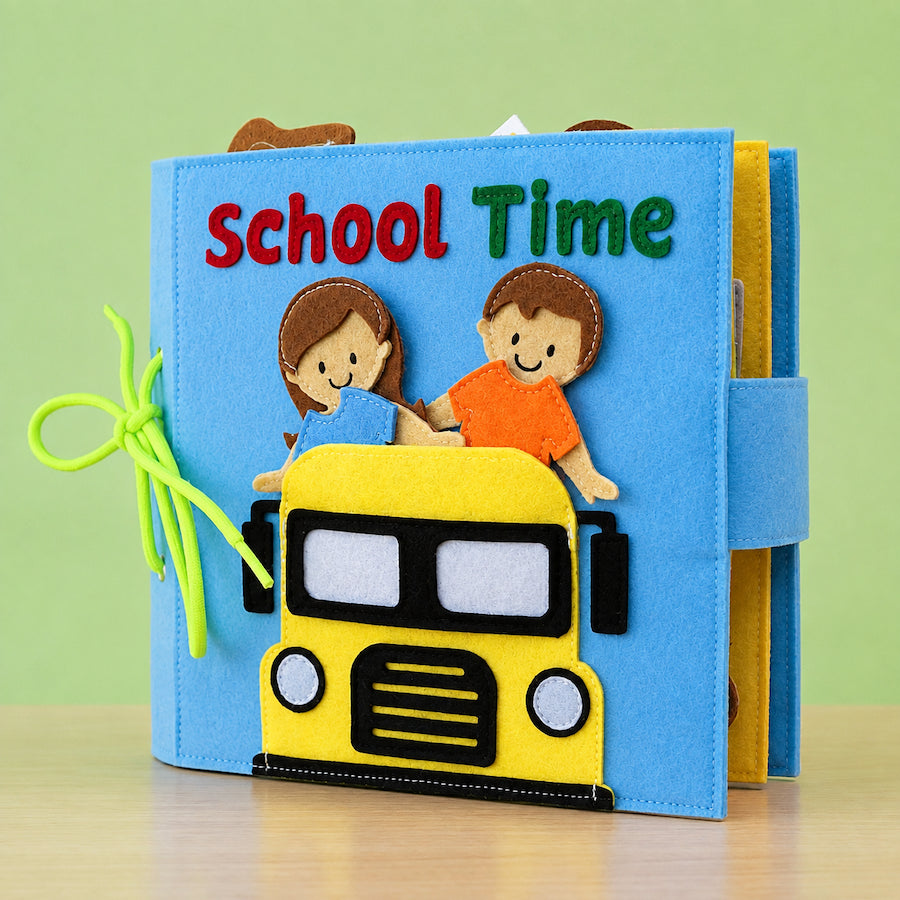
If you want a concrete example of a screen-free activity pitched at a specific stage, our School Time Felt Busy Book is designed exactly for that purpose.
Follow interests, not the packaging
A child who loves numbers will get more from a counting toy than from a "STEM" box that promises everything and delivers novelty. Watch what your child already gravitates toward, then build on it. That's the difference between a toy that gets played with and one that gets displayed.
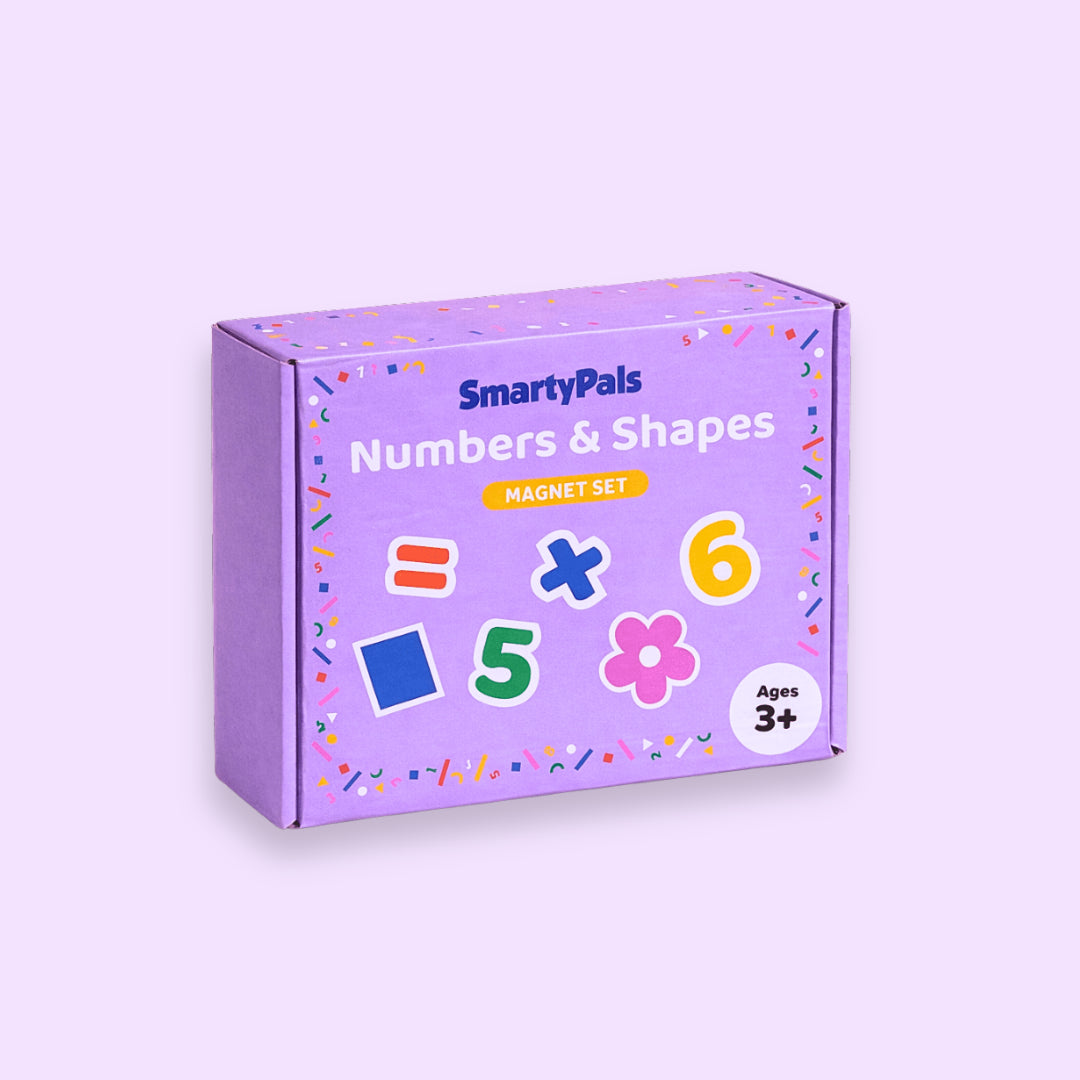
For the number-obsessed child, something like our Magnetic Number Set does more work than a generic kit ever will.
The best educational toys by age, from babies to ten-year-olds
The best educational toys by age follow a clear progression: sensory and grasping play in infancy, puzzles and sorting in toddlerhood, construction and logic in the preschool years, and increasingly complex building and strategy play from six upward.
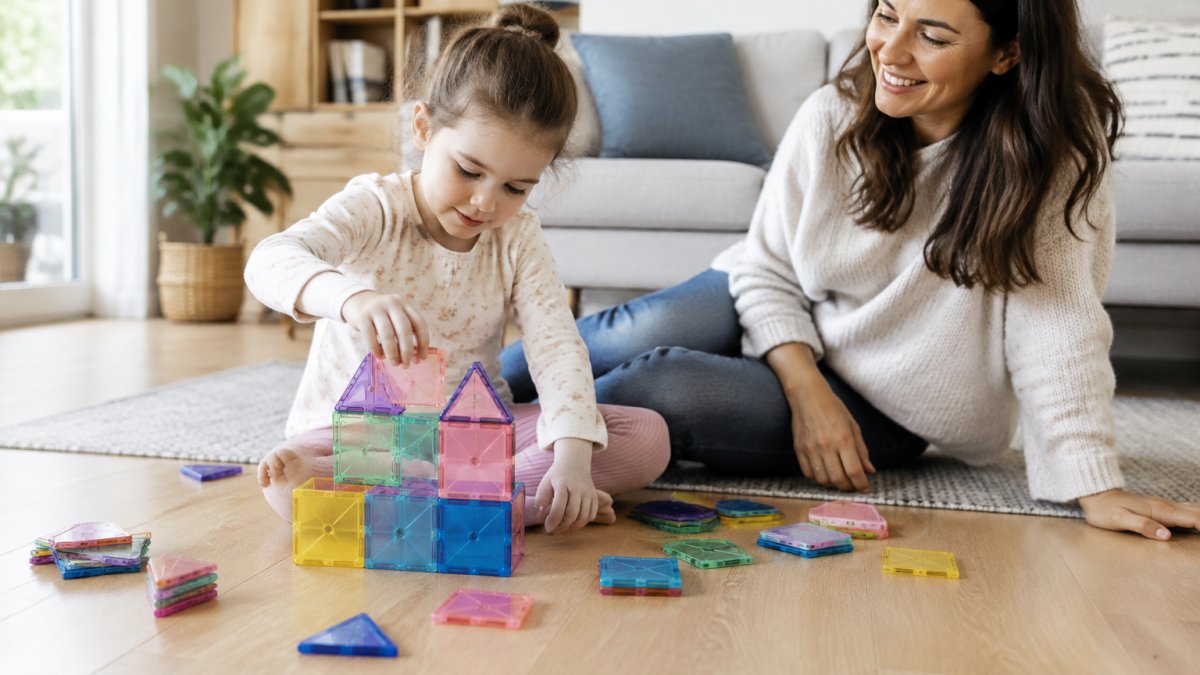
Here's how that progression looks in practice:
- Babies to 18 months: graspable, textured, mouth-safe objects. No small parts.
- 18 months to 3 years: chunky puzzles, bead mazes, shape sorters. Fine motor skills and early counting.
- 3 to 5 years: construction sets, role play, simple pattern games. Creativity and language.
- 5 to 7 years: magnetic tiles, logic puzzles, early maths. Problem-solving and planning.
- 7 to 10 years: complex builds, strategy games, open-ended construction. Persistence and critical thinking.
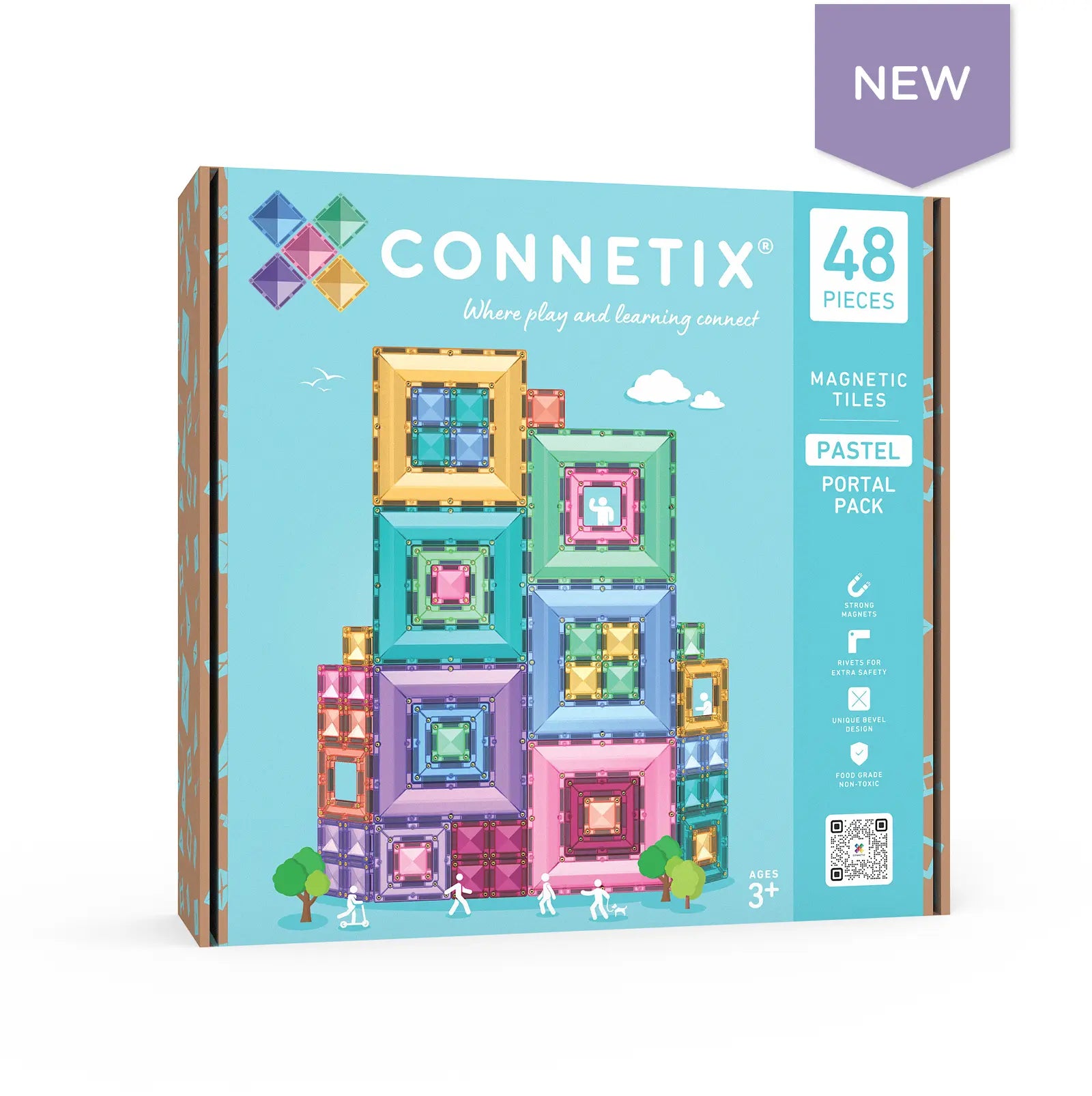
A set like the Connetix Portal Pack is designed to grow with the child, supporting open-ended STEAM play as collections grow.
Premium versus standard toys: a value-over-time comparison
Premium toys can cost more upfront but offer value over time, if you measure the right things.
A wooden puzzle at $20 or a magnetic construction set at $149 can look expensive next to a mass-market novelty. Run the numbers over a childhood, though, and the picture inverts.
| Factor | Premium educational toys | Standard mass-market toys |
|---|---|---|
| Upfront cost | Higher | Lower |
| Lifespan under daily play | Years, often handed down | Weeks to months |
| Materials | Named, often FSC-certified timber | Often unspecified plastic |
| Repairability | Often (replacement parts, screws, tiles) | Rarely |
| Resale or hand-down value | Good | Minimal |
| Replacement frequency | Low | High |
| Cost per hour of play | Usually lower over time | Usually higher over time |
Repairability and hand-down potential are the two value levers most buyers overlook. A construction set with replaceable tiles, or a wooden toy joined with screws rather than glue, can be brought back into service instead of binned, and a toy built to survive one child will usually survive two or three. That is why the resale and hand-me-down column matters: it is not sentimental, it is financial.
For families on a tight budget, the smarter move is fewer, better toys rather than a full premium collection. A practical sequence to consider:
- Buy one anchor piece per stage. One well-made construction set or puzzle that will be used daily beats five cheap novelties.
- Prioritise open-ended over single-purpose. A set that can be built, sorted, counted and role-played earns its keep; a toy that does one trick does not.
- Check the specification, not the label. Ask what it is made of and how it is finished before you pay a premium.
- Buy one stage ahead at most. Buying two stages ahead is how excellent toys end up unused.
- Plan the hand-down. If a younger child or a friend's child will use it next, the effective cost falls again.
The pros of investing in premium materials are durability, safety you can verify, and better play value per dollar.
Watch out: a high price is not evidence of premium construction. Plenty of expensive toys use the same unspecified plastics and glued joints as cheap ones; the price reflects branding or packaging, not materials. Judge the specification, not the receipt.
Choosing the right educational toys for your family
Choosing for your family means matching toys to your space, storage, budget and routines, not to a wishlist. A family that travels needs portable pieces; a small flat needs sets that pack down; a household with three children of different ages needs toys that scale.
Our travel toys range exists because portability is a genuine selection criterion, not an afterthought. Think about where the toy will live, who will share it, and whether it survives being packed into a bag.
One more consideration: buy for the child you have, not the child the packaging imagines. A calm, focused builder and a physical, active child need different things from the same shelf.
The real challenge isn't finding educational toys, it's finding ones that hold up long enough to matter.
Frequently Asked Questions
Are premium educational toys worth the extra cost?
Often, yes, if you measure cost per year rather than cost at the till. A $149 set of magnetic tiles used weekly over several years can work out to a modest weekly cost per year of use. Premium toys are designed to be durable and can pass down to younger siblings. The value comes from repeated, open-ended play, not from the label.
What should I look for when choosing a safe and durable educational toy?
Check three things. First, materials: FSC-certified timber and child-safe paints are a good sign, as are strong magnets sealed inside the pieces. Second, construction: look for finished edges and no small parts that could loosen. Third, age guidance: a chunky wooden puzzle suitable from 12 months is a different product from a construction set for school-age children. In Australia, toys must meet the mandatory safety standard, so buy from sellers who can tell you how their products comply.
How do I choose educational toys for a child under three?
Prioritise size, safety and simplicity. Chunky pieces that are easy for small hands to grip, such as a wooden number puzzle with lift-out pieces, support fine motor skills and early counting without frustration. Avoid anything with loose small parts or weak magnets. One well-made toy used daily beats five that fall apart. A magnetic maze with an attached stylus, suited from 18 months, keeps pieces contained while still building hand-eye coordination and problem-solving.
How do educational toys support learning through play?
Open-ended toys let a child test ideas, fail, adjust and try again, which is how problem-solving and resilience build. Building tiles encourage spatial thinking and pattern recognition; puzzles build logic and language as children name numbers and animals; routine magnets support independence and organisation. The toy is the tool, but the learning happens in the doing. Rotating a small collection rather than piling up options keeps engagement high and gives each toy room to earn its place.
